Home Improvements Before Selling in Las Vegas: What's Worth Doing?
Quick answer: Before selling a Las Vegas home, address safety issues, leaks and failing systems first. Then focus on cleaning, decluttering, paint and curb appeal. Consider selective updates only when they address a clear weakness compared with nearby listings. Major remodels often recover only part of their cost, so compare contractor quotes, your timeline and expected net proceeds before committing.
Southern Nevada had 4.6 months of single-family supply in September 2026, according to huntington & ellis' September 2026 market update, and buyers have more homes to compare than they did a year ago. In that market, homes in good condition stand out, and homes with obvious repairs give buyers a reason to negotiate or move on. Here's how to decide what to fix, what to update and what to leave alone.
How to Prioritize: Condition, Presentation, Then Updates
Priority | What it covers | Why it matters |
|---|---|---|
1. Condition and repairs | AC, roof leaks, plumbing, electrical and safety issues, broken fixtures | Unresolved problems may lead to repair requests, credits or canceled escrows |
2. Presentation | Cleaning, decluttering, paint, curb appeal, staging | Low cost, and it shapes photos, showings and first impressions |
3. Targeted updates | Entry and garage doors, lighting, hardware, minor kitchen refresh | Some projects recover much of their cost in published estimates |
4. Usually skip | Major remodels, additions, new pools, solar installs | High cost, long timelines and low estimated cost recovery |
Priority 1: Fix Condition Issues First
Buyers commonly arrange a home inspection during due diligence. Findings may lead to repair requests or renegotiation, and serious issues can affect whether the transaction closes. Addressing known problems before listing gives you more control over the contractor, cost and timing, although an inspection may identify additional issues.
Common Las Vegas condition items to address:
- Air conditioning. Service each system, fix poor cooling, and keep the service records. A weak or failing AC is a major concern for Las Vegas buyers.
- Roof leaks and damaged tile. Replace cracked or slipped tiles and repair any leaks. Have a roofer check the underlayment if the roof is older.
- Plumbing. Fix leaks, running toilets and slow drains, and service the water heater. Las Vegas water is hard, so check for scale on fixtures.
- Electrical and safety items. Replace missing outlet covers, fix GFCI outlets that don't work and verify that smoke and carbon monoxide alarms are installed and working as required. Use qualified professionals for electrical repairs.
- Pool equipment. Make sure the pump, filter and heater run, and that the water is clean.
- Visible wear. Repair cracked stucco, damaged drywall, broken window seals, worn weatherstripping and sun-faded exterior paint.
Consider a pre-listing inspection. An inspection before you list shows you what buyers will see. You can decide what to fix, what to price in and what to disclose, and avoid surprises in escrow. See the Las Vegas Home Inspection Guide for what Nevada inspectors check and when to bring in specialists.
Disclosures still apply. Repairs do not automatically resolve every disclosure obligation. Under NRS 113.130, sellers generally must complete and deliver the Seller's Real Property Disclosure Form at least 10 days before conveyance, subject to statutory exceptions and waiver provisions. Review the form's questions with your agent and seek legal guidance when needed about past defects or repairs. Keep receipts and service records.
Financing can require repairs. FHA and VA financing have property-condition requirements, and an appraisal may identify repairs that must be resolved before closing. A seller credit does not automatically satisfy those requirements. Ask the buyer's lender which repairs must be completed and whether any approved alternative is available. Addressing safety and condition issues early may help avoid financing delays. Buyers can review their loan options with h&e's mortgage partner note..
Priority 2: Presentation
Presentation improvements can be less expensive than remodeling and can improve how a home photographs and shows. Choose the scope based on its condition and your budget. The National Association of REALTORS® (NAR) 2025 Profile of Home Staging found that agents most often recommend:
- Decluttering (91% of agents)
- Cleaning the entire home (88%)
- Improving curb appeal (77%)
Paint. In NAR's 2025 Remodeling Impact Report, painting the entire home was the project REALTORS® most often recommended sellers complete before listing (50%), followed by painting a single interior room (41%).
Staging. In the same staging report:
- 83% of buyers' agents said staging makes it easier for buyers to picture the home as their own.
- 29% of sellers' agents reported an increase of 1% to 10% in the dollar value offered.
- 49% of sellers' agents saw some reduction in time on market.
- The living room, primary bedroom and kitchen were the rooms buyers considered most important to stage.
- Median cost: $1,500 when a professional staging service was used.
These are agent survey results, not a guarantee. Staging affects how a home shows, but it won't make up for condition problems or an unrealistic price.
Las Vegas curb appeal:
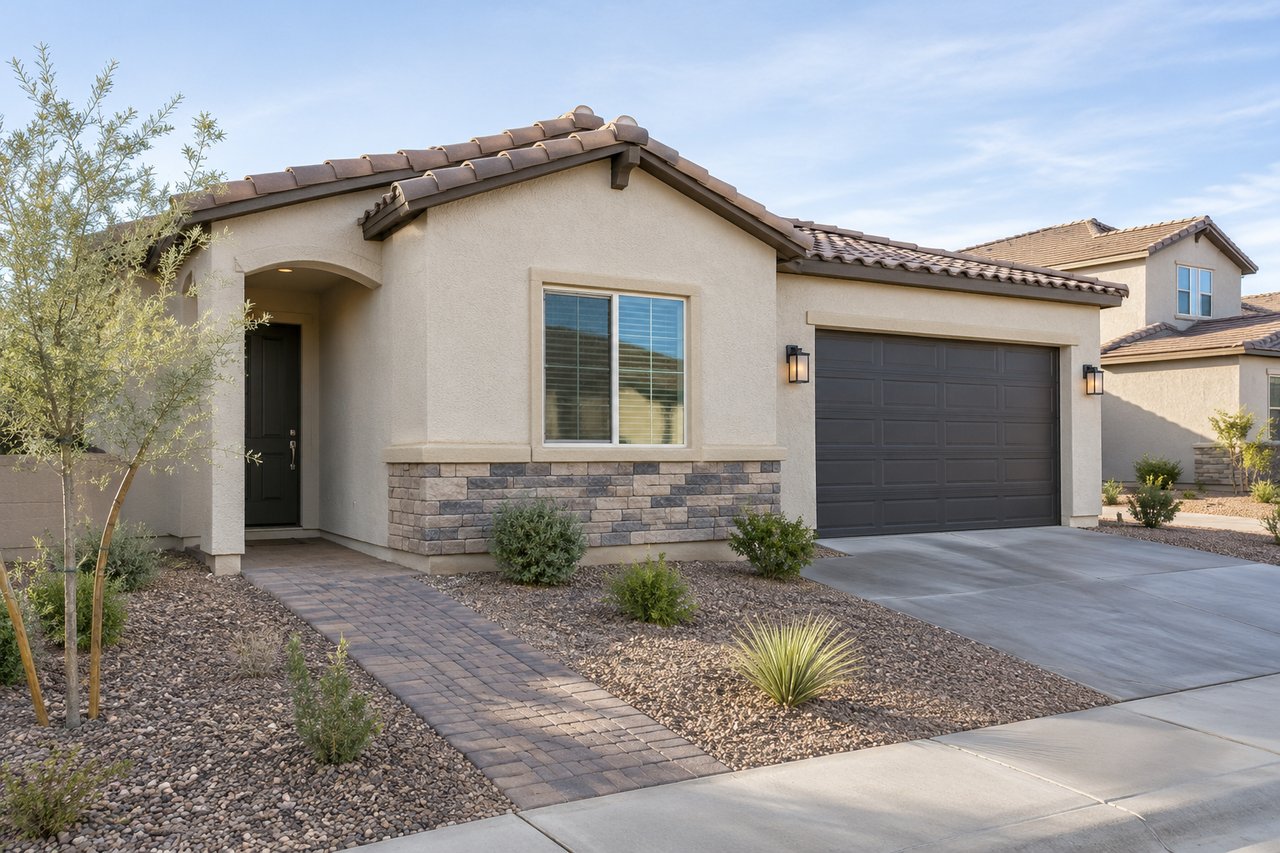
- Desert landscaping. Trim plants, replace dead ones, refresh rock and fix drip irrigation leaks.
- Exterior touch-ups. Clean or touch up sun-faded trim, the garage door and the front door.
- Backyard. Clean the patio and pool area and set it up as usable outdoor living space.
- Grass conversions take time. If you're considering converting grass to desert landscaping, know that SNWA's Water Smart Landscapes rebate requires preapproval and a recorded conservation easement before it pays out. If you transfer the property before the easement is recorded, you forfeit the rebate, so confirm the approval and recording timeline before including a rebate in your sale budget. See Las Vegas Watering Restrictions & 2027 Turf Rules.
Priority 3: Targeted Updates, With the Evidence
The Remodeling 2025 Cost vs. Value Report (www.costvsvalue.com) provides estimates for defined projects in Las Vegas. Its methodology combines modeled project costs with resale-value estimates from a survey of real estate professionals. These are not contractor quotes, appraisals or measured returns from individual home sales.
Entry and garage doors. The report estimated 300.6% cost recovery for a steel entry door replacement and 286.4% for a garage door replacement in Las Vegas. Those figures do not mean replacing a functioning, attractive door will deliver that return. Consider replacement when the existing door is damaged, performs poorly or noticeably detracts from the home's presentation.
Kitchen refresh versus full remodel. A minor midrange kitchen remodel was estimated to recoup 96.9% of its cost, compared with 50.5% for a major midrange kitchen remodel. The project definitions matter: a few hardware changes are not the same scope as the report's minor remodel.
What to do with these estimates. Use them as background when comparing projects, then get quotes and review competing homes. A project can improve buyer appeal while still reducing your net proceeds if the sale-price benefit is smaller than the amount spent. Do not add project percentages together or apply them as a formula to your home's value.
© 2025 Zonda Media, a Delaware Corporation. Complete data from the Remodeling 2025 Cost vs. Value Report can be downloaded free at www.costvsvalue.com.
Smaller updates that often help: Updated light fixtures, cabinet hardware, faucets, outlet and switch covers, and ceiling fans. These are lower-cost and make a home look maintained. They aren't covered in the Cost vs. Value Report, so treat them as presentation choices rather than value guarantees.
Priority 4: What to Usually Skip
- Major kitchen and bath remodels. They're expensive, take a long time and are estimated to recover only part of their cost. Buyers may also prefer to choose their own finishes.
- Additions. Expanding the home can involve substantial design, permitting and construction work. Compare the likely sale benefit with the full cost and delay before starting.
- New pools. They're a major expense and a long project. New pools must also meet local size and permitting rules. See SNWA's summary of pool restrictions and confirm requirements with the local jurisdiction and water provider.
- Solar installations right before a sale. Installation costs, financing terms and the time available before listing can complicate the decision. Compare the full expense with your expected sale benefit, and clarify whether equipment would be owned, financed or leased.
- Highly personal design choices, such as bold colors or custom built-ins that narrow buyer appeal.
Repair, Credit or Price It In?
You don't have to fix everything. For each item, you have three options:
Option | Best when | Tradeoff |
|---|---|---|
Repair before listing | The issue is visible, affects safety, or would show up in photos or the inspection | You pay up front, but you control the cost and contractor |
Offer a credit | The item is cosmetic or discretionary, such as flooring, and the lender approves the credit | Reduces eligible buyer closing costs; limits apply and required repairs may still need completion |
Price it in | The home needs significant updating | Attracts buyers who want a project, at a lower price |
A credit is not automatically repair money. A lender-approved seller credit usually applies to eligible closing costs and prepaid expenses, subject to loan rules and actual costs. It does not automatically reduce the contract price, provide unrestricted cash after closing or replace a repair required for financing. See Fannie Mae's interested party contribution guidance for one conventional-loan framework; other programs differ.
Your agent can compare your home with competing listings and recent sales to help identify the most practical approach. For context, September 2026 single-family listings without offers had a median asking price of $529,999, while closed sales had a median price of $470,000, according to h&e's market summary. These describe different groups of properties; the gap does not measure overpricing or a typical buyer discount.
See Why Is My Las Vegas Home Not Selling? for a broader review of price, presentation and showing feedback.
Example: A Dated Kitchen With a Working Layout
Illustrative scenario, not a reported h&e transaction: A seller has a functional kitchen with worn paint and dated hardware, plus an AC system that is not cooling properly. A practical starting point is to have the AC evaluated, obtain repair quotes and compare the kitchen with nearby listings. Cleaning, selective painting and hardware changes may address presentation without committing to a full remodel. The decision should reflect the home's condition, competing homes and the seller's timeline.
Pre-Listing Improvement Checklist
- ☐ Service the AC and keep the records
- ☐ Repair roof leaks and damaged tile
- ☐ Fix plumbing leaks and service the water heater
- ☐ Fix electrical and safety items (GFCI outlets, detectors, covers)
- ☐ Get the pool clean and the equipment running
- ☐ Consider a pre-listing inspection
- ☐ Declutter, deep-clean and remove personal items
- ☐ Paint where walls are scuffed, dated or bold
- ☐ Refresh desert landscaping and fix irrigation
- ☐ Evaluate damaged or poorly functioning entry and garage doors
- ☐ Update dated light fixtures and hardware
- ☐ Stage the living room, primary bedroom and kitchen
- ☐ Gather receipts, warranties and service records for buyers
- ☐ Complete your Seller's Real Property Disclosure Form
Frequently Asked Questions
What home improvements add the most value before selling in Las Vegas?
In the 2025 Cost vs. Value Report for Las Vegas, garage door replacement (estimated 286.4% of cost recouped) and steel entry door replacement (estimated 300.6%) ranked highest. Before any update, fix condition issues like the AC, roof leaks and plumbing, because unresolved problems can affect inspections, financing and negotiations.
Should I remodel my kitchen before selling?
Usually not a full remodel. A midrange major kitchen remodel in Las Vegas was estimated to recover about 50.5% of its cost, while a minor midrange kitchen refresh was estimated at about 96.9%. Compare the scope and cost of a refresh with nearby listings before committing to either project.
Is painting worth it before selling a house?
Painting is the project REALTORS® most often recommend before listing. In NAR's 2025 Remodeling Impact Report, 50% recommended painting the entire home and 41% recommended painting a single interior room.
Does staging help sell a home in Las Vegas?
Agent surveys suggest it helps. In NAR's 2025 Profile of Home Staging, 83% of buyers' agents said staging helps buyers picture the home as their own, and 29% of sellers' agents reported a 1% to 10% increase in offer value. The median cost for professional staging was $1,500.
Should I fix things or offer a credit?
Prioritize safety and condition problems, and evaluate cosmetic work based on your budget and competing listings. A lender-approved credit may help with eligible closing costs, but it does not automatically pay for repairs after closing or resolve repairs required for financing.
Should I get a pre-listing inspection in Las Vegas?
It often helps, especially for older homes or homes with pools, solar or tile roofs. It lets you fix or disclose issues before a buyer's inspection turns them into a renegotiation.
Do I have to disclose problems I've already fixed?
Nevada sellers generally must complete and deliver the Seller's Real Property Disclosure Form at least 10 days before conveyance under NRS 113.130, subject to statutory exceptions and waiver provisions. Review questions about past issues and repairs with your agent, seek legal guidance when needed, and keep records of completed work.
Will improvements guarantee a higher sale price?
No. Cost vs. Value figures are estimates based on surveys, and actual results depend on your home, neighborhood, price point and the competition. Improvements make the most sense when they fix condition problems or address what competing listings already offer.
Plan Your Pre-Listing Improvements With huntington & ellis
Before you spend on repairs or remodeling, request a walkthrough with a huntington & ellis agent. We can help compare your home's condition and presentation with recent sales and competing listings in Las Vegas, Henderson or Summerlin, then identify which projects to prioritize, which to price into the sale and which to leave for the next owner.
This article provides general information, not legal, tax or lending advice. Project estimates are from 2025 reports and are not current contractor quotes or a guarantee of return. Market figures describe September 2026. Individual results depend on the property, work performed, pricing and market conditions.