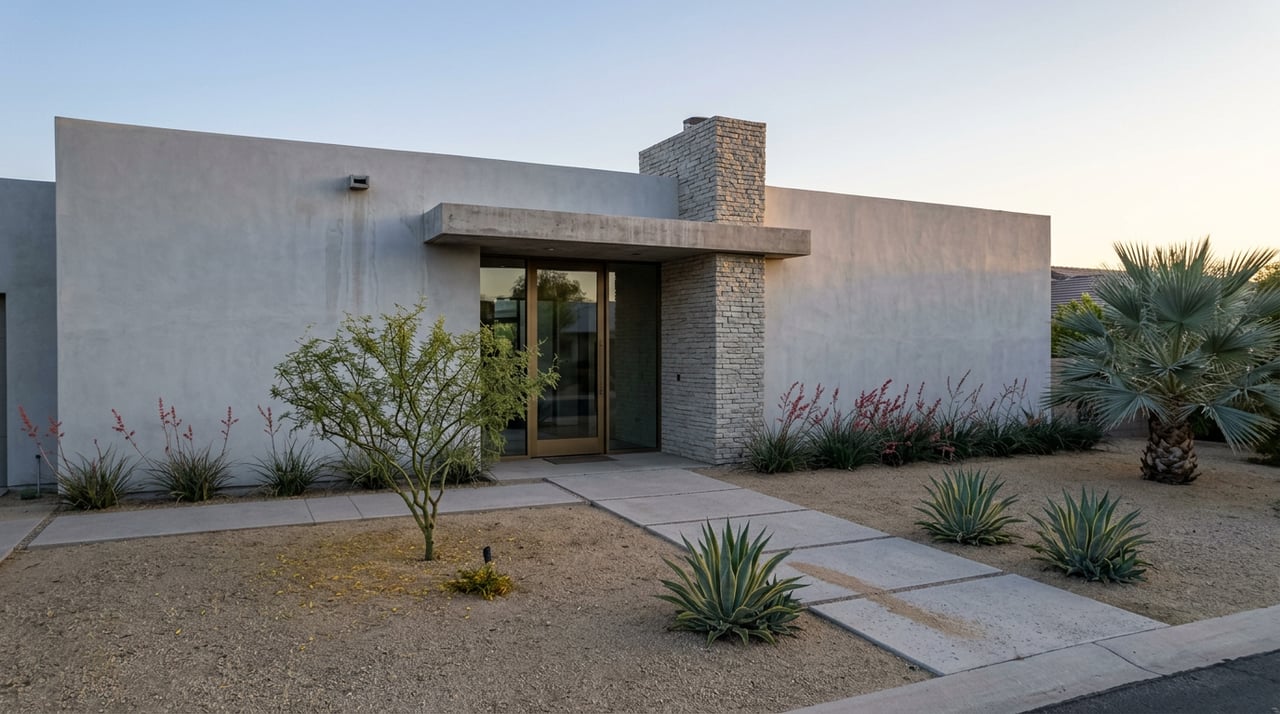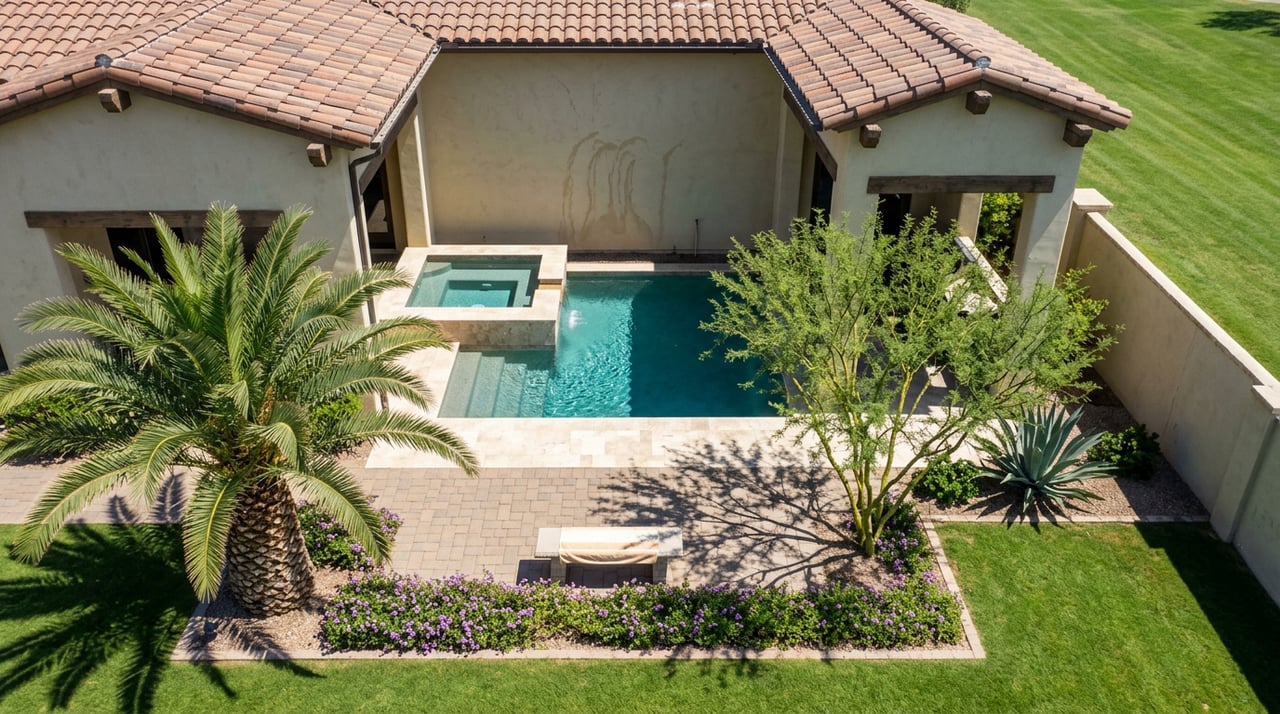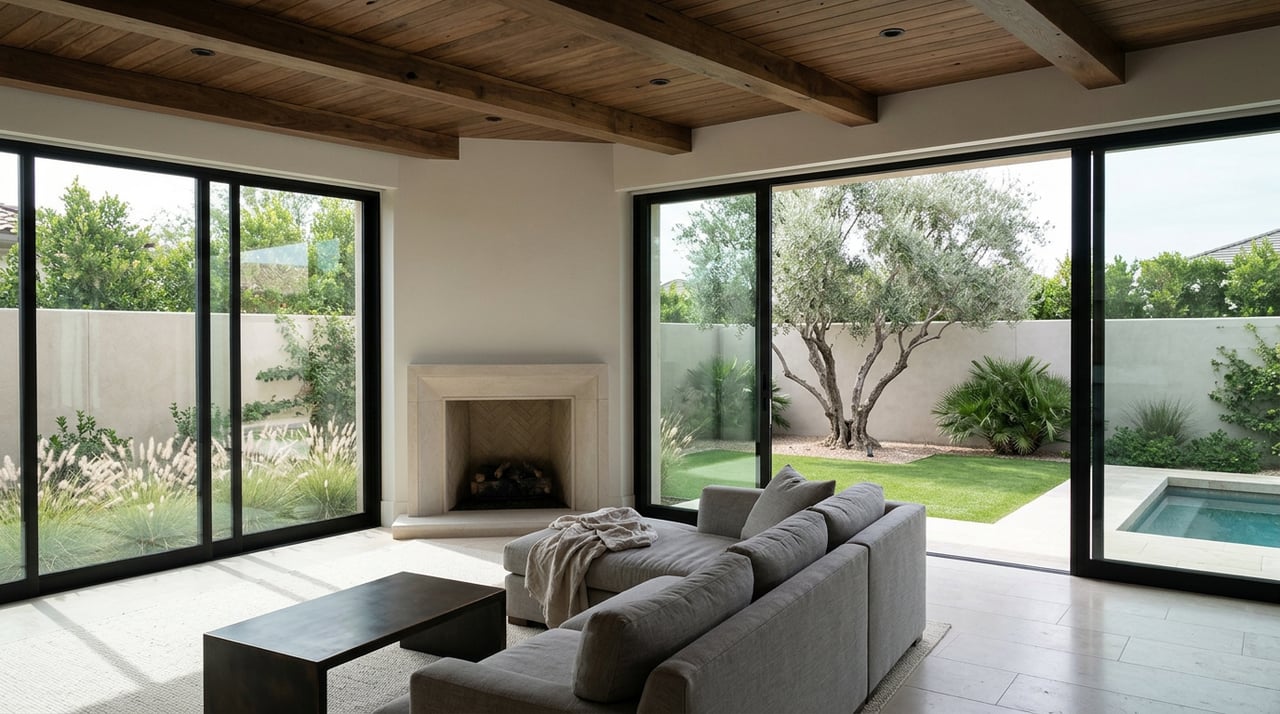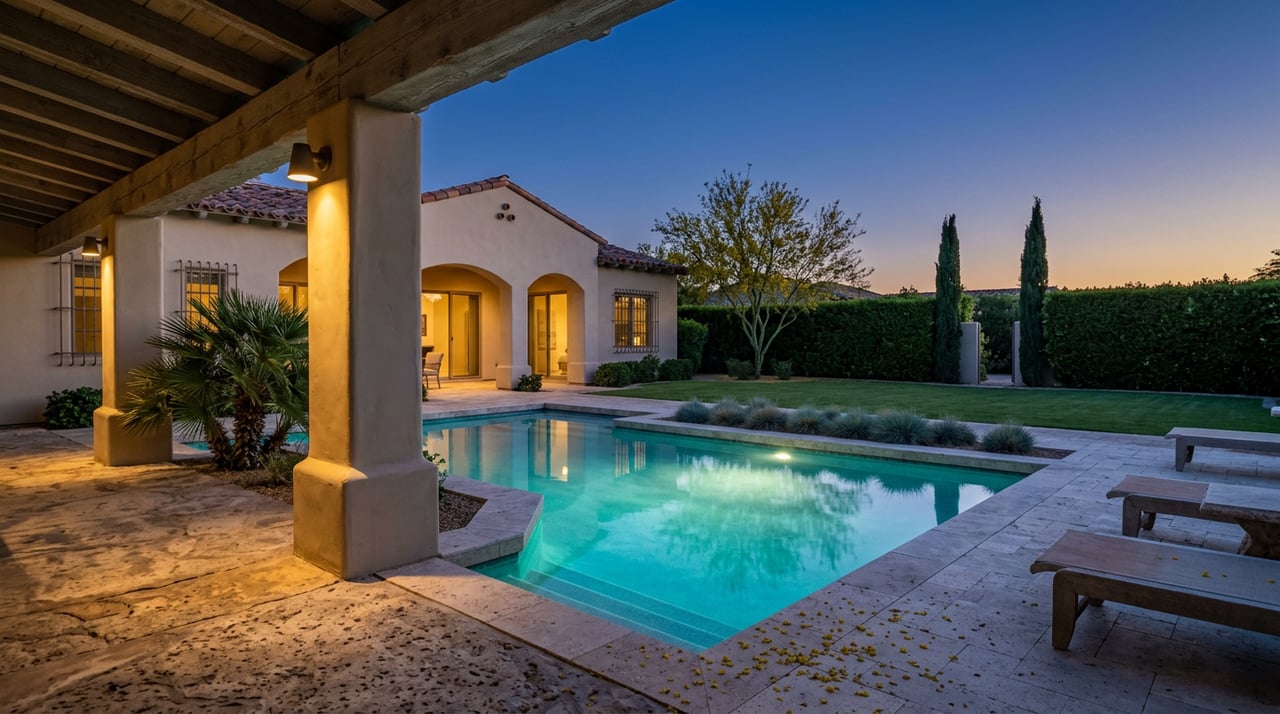
Drive past the gates at Painted Desert Golf Club on a Saturday morning and you will see carts lining up at 6 a.m., the earliest tee time the club offers. Keep driving another few minutes north toward Tule Springs Road and you will find a different kind of gate, a $6 toll booth in front of 680 acres of ponds, ranch buildings, and peacocks that most of the neighborhood treats as scenery rather than a destination.
That is backwards. If you live in Painted Desert, the golf course is the amenity you have heard about and the county park next door is the one you are probably underusing. One of them charges more the later in the day you show up. The other charges the same flat rate whether you arrive at opening or an hour before close. Understanding that difference changes how you actually spend a weekend here.
The math on the tee sheet
Painted Desert Golf Club is not a filler course. It was designed by Jay Morrish, the architect behind some of the desert Southwest's more demanding layouts, and it has hosted the Nevada Open. The club is open daily from 6 a.m. to 6 p.m., and for a golfer who wants a real championship test minutes from home, that reputation is worth paying for.
But the way you pay for it matters. The course uses dynamic pricing, the same supply and demand model airlines and rideshare apps run on. Book early in the day, when the tee sheet is mostly empty, and the rate is lower. Wait until midday, when more slots have filled, and the price climbs. It is not a scam. It is just a system built around scarcity, and it means the golf course is never really a walk-up amenity. You are either planning around the pricing curve or you are paying the premium for spontaneity.
That single fact reframes what "living on a golf course" actually gets you day to day. It gets you a scenic backdrop and a course you can book strategically. It does not get you a free, anytime green space, because that was never the deal.
The park with a different kind of gate
Floyd Lamb Park at Tule Springs sits on 680 acres a short drive from the neighborhood, and its pricing works the opposite way. Entry is $6 per vehicle no matter what time you show up, or $50 for an annual pass, with a $25 senior rate for residents 50 and older. There is no version of the fee that rewards early arrival or punishes a spontaneous afternoon trip.
The park keeps two sets of hours depending on the season. From April through September it is open 8 a.m. to 8 p.m. From October through March, when the days are shorter, it closes at 5 p.m. and opens at 9 a.m. Either way, once you have paid the flat fee, your time inside is yours.
What you are paying for is genuinely unusual for this stretch of the valley. The site includes four named ponds, Tule Springs Lake, Cottonwood Lake, Mulberry Lake, and Desert Willow Lake, along with the remains of a working ranch that operated as a private guest property starting in the 1930s. Peacocks, geese, and blue herons treat the grounds as home territory, and the paved paths around the water make it one of the few places in the northwest valley where a walk feels shaded and green rather than exposed.
Here is the practical version, side by side with the course:
| Painted Desert Golf Club | Floyd Lamb Park at Tule Springs | |
|---|---|---|
| Cost | Dynamic tee-time pricing, rises through the day | $6 per vehicle flat, or $50 annual pass |
| Hours | 6 a.m. to 6 p.m. daily | 8 a.m. to 8 p.m. (April to September), 9 a.m. to 5 p.m. (October to March) |
| Best for | A booked round or a meal at the clubhouse | An unplanned walk, a fishing license, letting a Saturday morning stretch out |
What's actually swimming in there
The park's fishing is more specific than most people expect from a Las Vegas pond. The uppermost pond, Tule Springs Lake, is the one the Nevada Department of Wildlife actively stocks, and it carries rainbow trout and channel catfish on a seasonal schedule. The other ponds are not regularly restocked, but bluegill, redear sunfish, green sunfish, crappie, and largemouth bass have established themselves there anyway, using habitat structure placed in the water for cover and reproduction.
A few things residents planning a morning around this should know:
- A valid Nevada fishing license is required, and the park limits catches to three fish per person.
- Small spinners, Power Bait, salmon eggs, and flies tend to work for the stocked rainbow trout.
- The entire upper shoreline of Tule Springs Lake is accessible for fishing except along a stretch on the west side where vegetation grows dense.
None of this requires owning a boat, a permit beyond the state license, or even much gear. It requires knowing the pond exists and treating it as more than a backdrop for a dog walk.
A restaurant that never needed you to golf
Back at the clubhouse, the Rockwall Grille has quietly become the neighborhood's answer to a sit-down restaurant, and it has been doing that job since the club opened in 1989. The space got a light refresh in recent years, and it now functions as much as a local gathering spot as a nineteenth hole. Breakfast, lunch, and dinner all run through a full bar, and the seasonal menu changes enough to keep regulars coming back without a tee time on the calendar.
It is open to the public, not gated behind a round of golf, and the club regularly hosts weddings, memorials, and business events for groups under 100. That combination, a restaurant you can walk into for breakfast and a venue you can book for a life event, is not something every golf-adjacent neighborhood in the valley can claim. It is worth treating as a resource rather than an afterthought to the fairways outside the window.
The weekend that costs less than one round
Put the two together and a different kind of Saturday takes shape. Start at Tule Springs before the heat sets in, walk the paved loop past Cottonwood and Mulberry lakes, cast a line if you brought a rod, and let the kids chase the geese along the shoreline. Head back toward the neighborhood afterward and sit down at the Rockwall Grille for breakfast, no tee time required, no dynamic pricing to check first.
Total cost for that morning tops out at whatever the park's vehicle fee is that day, plus a meal you were going to eat somewhere anyway. Compare that to booking a midday round once the tee sheet has filled, and the math on how this neighborhood's amenities actually work starts to look different from the assumption most people move in with.
Painted Desert markets itself around the golf course, and the course earns that attention on its own terms. But the neighborhood's real daily-use value is split between a state-managed park with flat pricing and a restaurant that has never required a scorecard to walk through the door. Knowing that distinction is the difference between treating this as a golf community you occasionally use and a place with two genuinely different amenities working on two genuinely different pricing models, both worth using on their own schedule.
If you are weighing a move into Painted Desert or anywhere else in the Las Vegas Valley and want that same level of street-level detail applied to the market itself, huntington & ellis pairs local knowledge like this with the data and negotiation experience that actually move a transaction forward. Connect With Us when you are ready to talk about what's next.